The Ultimate Guide to PVC Wood-Plastic Composite Boards: Properties, Applications, and Advantages
May 15,2025 | emergingplastics
1. Key Properties of PVC-WPC Boards
-
Physical Properties:
- Density and Hardness: Medium density, offering greater hardness than pure plastics while remaining lighter than natural wood.
- Dimensional Stability: Resists warping, cracking, or expanding under temperature or humidity changes.
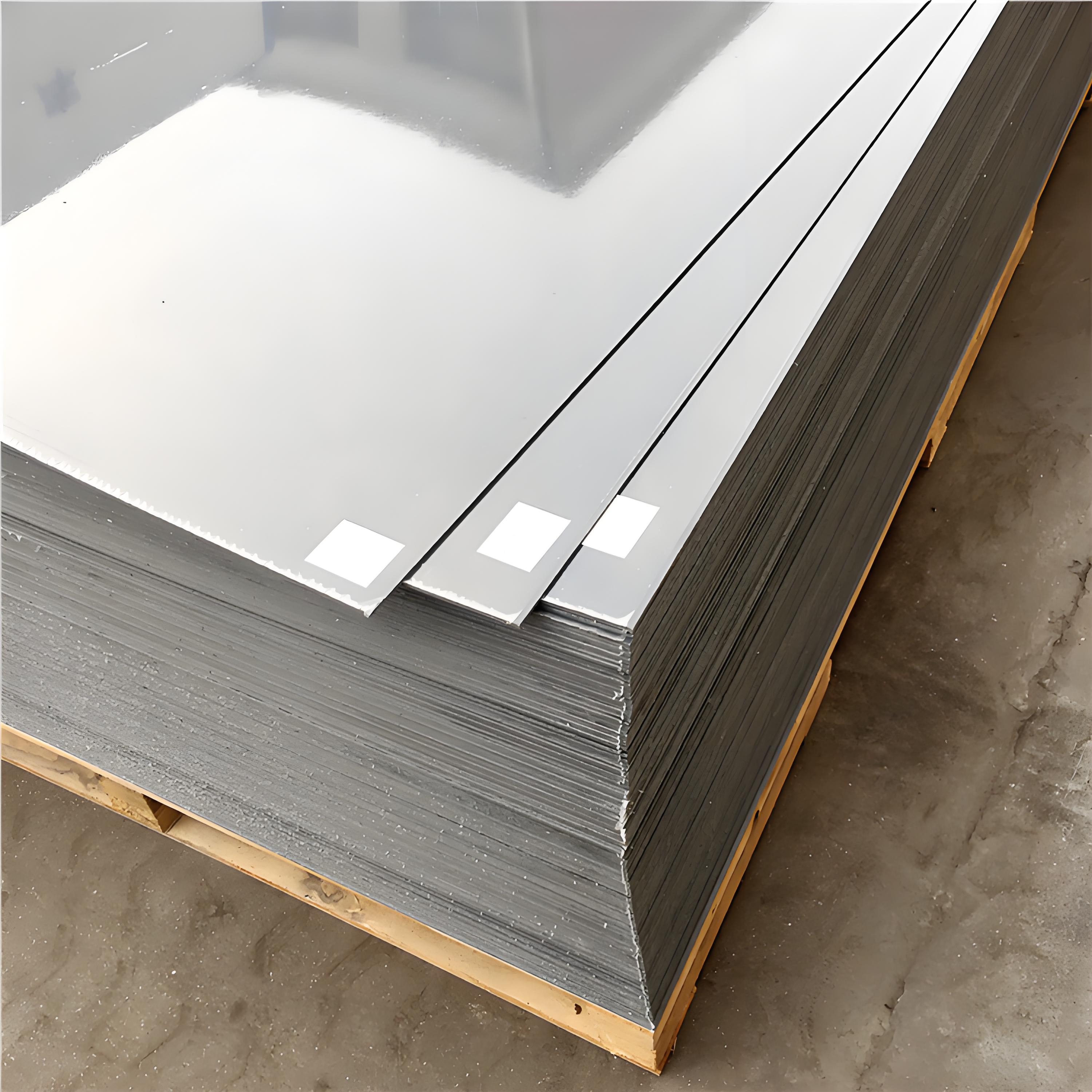
- Surface Finish: Smooth or textured surfaces, customizable to mimic wood grains or modern designs.
-
Chemical Resistance:
- Corrosion Resistance: Highly resistant to chemicals, moisture, and biological degradation (e.g., mold, termites).
- Flame Retardancy: Inherent fire-resistant properties comply with building safety standards.
-
Environmental Benefits:
- Sustainability: Made from recycled PVC and wood waste, reducing deforestation and plastic pollution.
- Recyclability: Fully recyclable, minimizing landfill waste.
-
Workability:
- Ease of Processing: Can be cut, drilled, sanded, and shaped using standard woodworking tools.
- Installation Flexibility: Compatible with adhesives, screws, or interlocking systems for quick assembly.
2. Applications of PVC-WPC Boards
-
Construction:
- Flooring, Wall Cladding, and Ceiling Panels: Durable and visually appealing for residential and commercial interiors.
- Decorative Trims and Acoustic Panels: Enhances aesthetics and soundproofing in modern buildings.
- Fire-Rated Structures: Ideal for fire-safe partitions or facades.
-
Furniture:
- Tables, Chairs, Cabinets, Doors, and Window Frames: Combines strength with a natural wood-like finish.
-
Interior Design:
- Decorative Wall Panels, Art Installations, and Custom Designs: Versatile for creative or minimalist styles.
-
Outdoor Use:
- Decking, Fencing, Garden Furniture, and Walkways: Weather-resistant, UV-stabilized, and waterproof for long-lasting outdoor performance.
3. Advantages of PVC-WPC Boards
-
Eco-Friendly:
- Reduces reliance on virgin timber and single-use plastics.
- Low-carbon production process compared to traditional materials.
-
Durability:
- Withstands harsh weather, heavy loads, and frequent use without rotting or fading.
-
Cost-Effective:
- Lower maintenance costs (no painting or sealing required) and longer lifespan than wood.
-
Aesthetic Flexibility:
- Available in diverse colors, textures, and finishes to match any design vision.
-
Safety:
- Flame-retardant and non-toxic, suitable for public spaces and homes.
-
Versatility:
- Adaptable to indoor and outdoor projects across industries.
4. Conclusion
PVC Wood-Plastic Composite boards are a revolutionary material that bridges functionality, sustainability, and design. Their unique blend of plastic and wood properties makes them ideal for replacing conventional timber or plastic in construction, furniture, and decor. As global demand for green building materials grows, PVC-WPC boards stand out as a durable, eco-conscious, and cost-efficient solution for modern challenges.
Comment