The Ultimate Guide to PVC Transparent Panels: Characteristics, Applications, and Advantages
May 15,2025 | emergingplastics
1. Characteristics of PVC Transparent Panels
-
Physical Characteristics
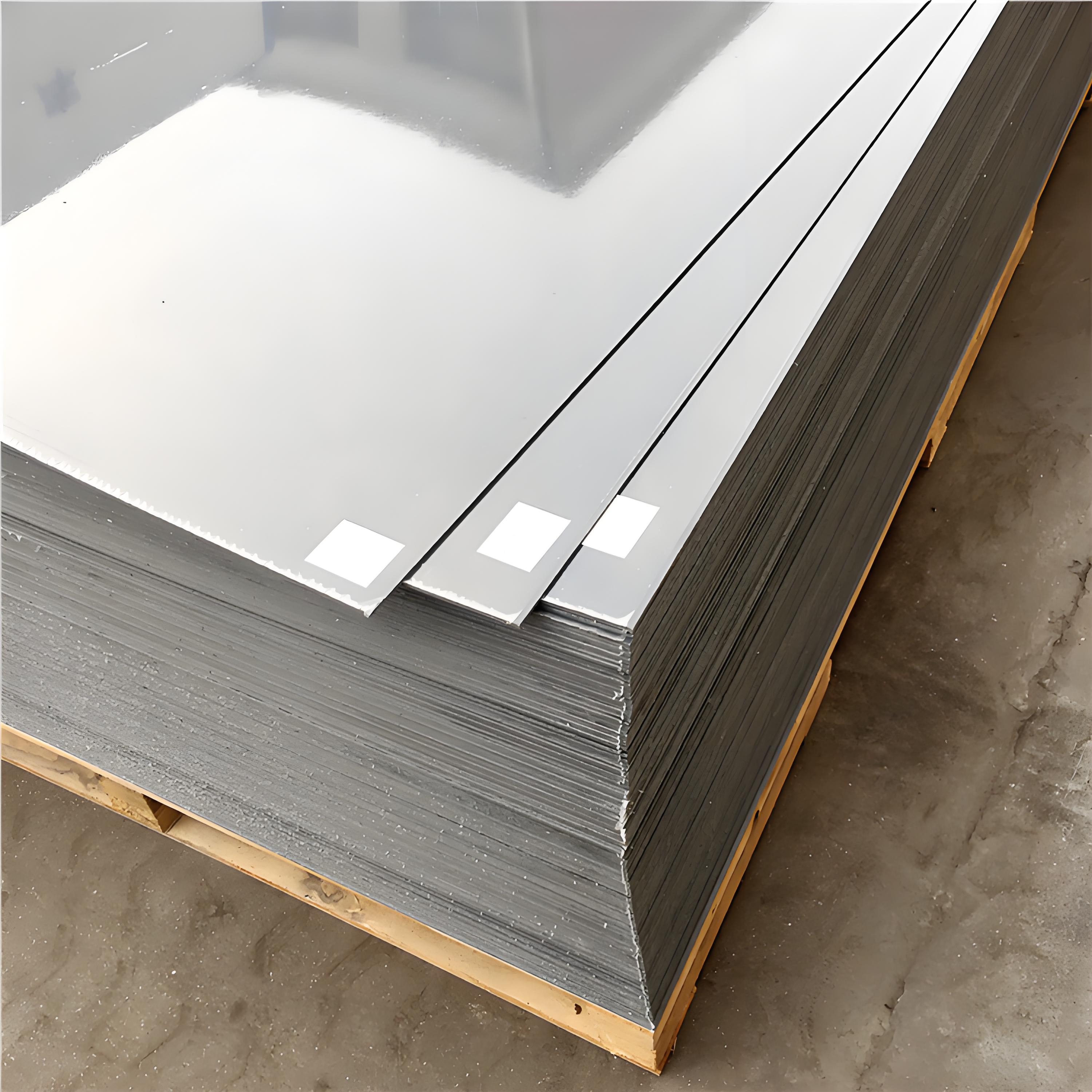
- High Clarity: With a light transmission rate of 80%-90%, PVC panels offer near-glass transparency, ideal for lighting applications.
- Lightweight: Weighing only 1.3-1.4 g/cm³, they are half as heavy as glass, making them easy to handle and install.
- Flexibility: Capable of bending (either cold-bent or heat-bent), they are suitable for curved designs.
-
Chemical Characteristics
- Corrosion Resistance: Resistant to acids, alkalis, oils, and alcohols, making them ideal for laboratory and chemical plant use.
- Weather Resistance: UV-resistant, maintaining clarity and durability outdoors for over 10 years without yellowing or cracking.
-
Mechanical Properties
- Impact Resistance: Five to ten times stronger than glass, reducing the risk of breakage.
- Abrasion Resistance: High surface hardness minimizes scratching.
-
Processing Properties
- Ease of Cutting: Can be cut using woodworking tools or laser cutters.
- Thermal Forming: Softens at 80-100°C, allowing for easy shaping.
-
Other Properties
- Electrical Insulation: Non-conductive, suitable for protecting electrical equipment.
- Flame Retardancy: Meets UL94 V-0 standards, self-extinguishing when removed from the flame source.
2. Applications
-
Construction Industry
- Roofing and Skylights: Used in shopping malls and greenhouses as a safer alternative to glass.
- Soundproofing: Effective in reducing noise levels by up to 30% in highways and railway stations.
-
Advertising Industry
- Light Boxes and Signage: Provides even light distribution, enhancing LED lighting effects.
-
Industrial Applications
- Equipment Guards: Protects machinery from splashes and debris in workshops.
- Observation Windows: Used in reactors and pipelines for pressure up to 0.6 MPa.
-
Medical Field
- ** Protective Barriers**: Used in hospitals and labs, easily disinfected and reused.
-
Home and Decoration
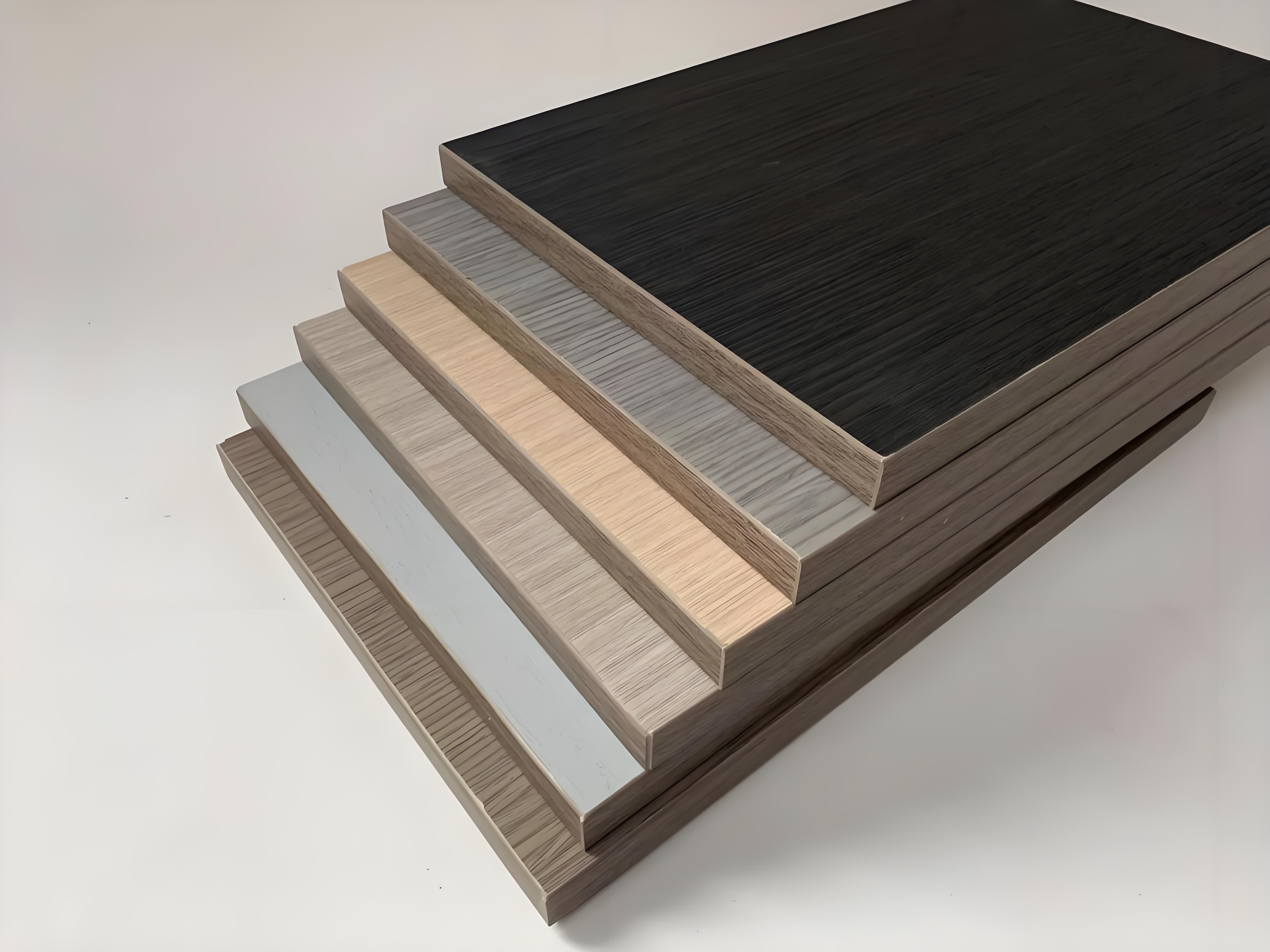
- Furniture Panels: Ideal for custom cabinets and bathroom partitions, resistant to moisture and mold.
-
Packaging Industry
- Transparent Packaging: Food-grade certified, suitable for showcasing electronic products and gifts.
3. Advantages of PVC Transparent Panels
- Cost-Effective and Safe: Up to 30%-50% cheaper than glass with no sharp edges upon breakage.
- Easy to Process: Requires minimal specialized equipment, making it ideal for DIY projects.
- Durable and Low Maintenance: Simply wiped clean with a damp cloth, no special care needed.
Comparison Chart:
| Feature | PVC Transparent Panels | Glass | Acrylic |
|---|---|---|---|
| Weight | Light | Heavy | Medium |
| Impact Resistance | High | Low | Medium |
| Cost | Low | High | High |
4. Considerations
- Temperature Limits: Suitable for long-term use between -20°C and 60°C; avoid prolonged exposure to high temperatures to prevent deformation.
- Solvent Sensitivity: Avoid contact with solvents like acetone and chloroform, which may cause surface damage.
- Environmental Impact: Opt for lead-free formulations, and ensure proper recycling to minimize environmental effects.
5. Market Trends
- Eco-Friendly Options: Increasing use of bio-based PVC and development of biodegradable materials.
- Customization: Growing demand for anti-fog, anti-static, and color-tinted panels.
- New Applications: Expanding into 5G antenna covers and components for the automotive industry.
6. Conclusion
PVC transparent panels stand out due to their lightweight, safety, and durability, making them a preferred choice across various industries as a replacement for traditional materials. With ongoing advancements, their applications are expected to expand further, particularly in sustainable and smart technologies. When selecting PVC panels, consider specific requirements such as temperature, chemical exposure, and processing needs.
Comment